Volunteer Opportunities for Individuals in Recovery
If you're in recovery and looking for ways to build confidence and reconnect with your community, volunteering can open meaningful doors. You'll find roles tailored to different interests, from helping at food banks to joining local mentorship programs. Not only does volunteering fill your days with purpose, but it also helps you gain new skills and supportive friendships. But before you jump in, there are some key steps and resources you should know about.
Roles and Activities for Volunteers in Recovery
Volunteer opportunities for individuals in recovery can offer significant benefits, both to the volunteers themselves and to the communities they serve. These roles encompass a range of activities that promote personal growth as well as support for others.
One option is the Cuddles Program, where volunteers engage in nurturing infants, which contributes to their early development. This role not only aids in the children’s growth but also allows volunteers to partake in a meaningful activity that may enhance their own recovery process through nurturing interactions.
Another avenue is the Gardening Group, which focuses on collaborative gardening activities. Such experiences can provide therapeutic benefits through connection with nature and teamwork, fostering a sense of community among participants.
Volunteers can also participate in Library Services, where they have the opportunity to mentor families. This mentorship can broaden their life experience while imparting valuable knowledge and support to others facing similar challenges.
Retreat Workshops, facilitated by volunteers, offer a supportive environment particularly for women and their group partners. These workshops are designed to create a safe space for sharing experiences and learning coping strategies, which is essential in the recovery process.
Hosting recovery meetings at Santa Maria is another critical role that volunteers can assume. These meetings contribute to greater prevention efforts in the community by providing ongoing support and resources for individuals in recovery, and for those seeking best centers for drug recovery, these meetings can be a starting point.
For those interested in becoming involved, further information can be obtained by reviewing the available resources and programs. It is also important to consider the necessary background checks and drug screenings that are standard practices for volunteer participation in these activities.
Application Steps and Requirements
To commence the volunteer process, individuals must first complete a formal application that gathers personal information and details regarding specific areas of interest.
Following this, applicants are required to undergo a criminal background check and a drug screening, both of which are critical for maintaining a safe and healthy environment.
It is also necessary to review and sign the Privacy Policy, as well as documents related to confidentiality and the delineation of rights and responsibilities.
In order to volunteer with RECOVERY Programs or Project Development, it is essential for candidates to demonstrate alignment with the organization's treatment philosophy and mission.
The organization is currently seeking volunteers for various activities, including the Women’s Luncheon and other initiatives focused on community support.
Interested individuals are encouraged to reach out for additional information regarding available resources and partnerships, as participation in these initiatives contributes to the overarching goal of transformative community support.
Training and Support for New Volunteers
The volunteer experience begins with a structured orientation that outlines the expectations and responsibilities pertinent to each role. Participants will undergo comprehensive training that is specifically designed for their assigned projects, activities, or programs. This training encompasses essential areas such as health, recovery, prevention, and development, along with the provision of resources necessary for ongoing support.
To ensure a safe and supportive environment, background checks and drug screenings are conducted. The training program includes elements that focus on women’s initiatives, group activities, and direct treatment roles.
For additional details or to learn about upcoming workshops, interested individuals can reach out for more information or consult the organization’s newsletter. The need for volunteers is significant, as they play a crucial role in supporting various initiatives.
For those concerned about privacy, the organization provides a Privacy Policy that outlines how personal information is handled.
Ways to Get Involved Individually or as a Group
Individuals and groups seeking to engage in community service have various options available that can make a meaningful impact. Opportunities include participation in recovery-oriented activities such as assisting families through Library Services or joining initiatives like the Cuddles Program.
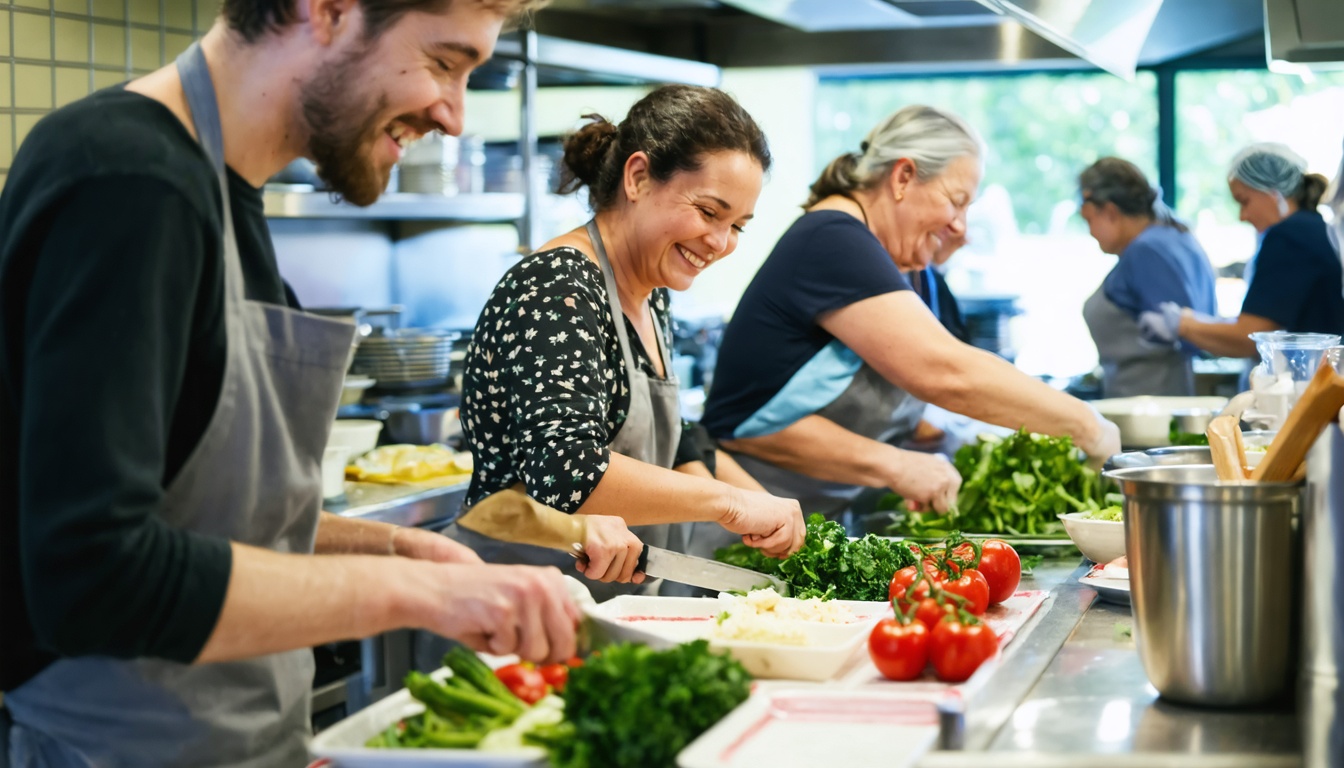
Additionally, group projects—such as landscaping or organizing luncheons—promote collaboration and foster a supportive atmosphere.
It is important to note that all volunteers are required to undergo a Background Check and drug screening to ensure compliance with Health and Prevention standards.
A range of volunteer positions exists within programs aimed at supporting women, treatment initiatives, and developmental efforts.
For those interested in contributing, further information can be obtained by contacting the organization. Your involvement can play a significant role in benefiting the broader community and supporting its ongoing development.
Staying Connected and Updated
Staying engaged and informed while volunteering in recovery programs can be efficiently managed through various channels of communication and participation. Subscribing to newsletters allows volunteers to receive regular updates regarding upcoming events and activities, ensuring they remain informed about important aspects of the organization's operations.
Relevant updates typically include information about training sessions, treatment options, recovery programs, and opportunities for personal development. Engagement can also be fostered by attending health luncheons, participating in group projects, or reviewing the organization's history and available resources.
Organizations such as the United Way of Greater Houston provide structured volunteer orientation sessions that cover essential information, including the distribution of prevention kits and details on financial transparency.
Customized volunteer options may be available specifically for women and corporate partners, catering to diverse needs and preferences. It is advisable for potential volunteers to check for any upcoming career opportunities, as well as the requirements for background checks and drug screenings.
For further inquiries, individuals are encouraged to reach out for clarification, review the organization's privacy policy, and consider participating in volunteer efforts to contribute to meaningful change within the community.
Conclusion
Volunteering offers you a meaningful way to support your recovery while building new skills and connections. With a range of roles and organizations to choose from, you can find an opportunity that suits your interests and schedule. By getting involved, you’ll not only help others but also continue your own growth and healing. Remember to stay connected with your community and explore new possibilities as you move forward in your recovery journey.